
Sustainability at Hamiltons Fish

A family-run business with a long-term commitment to doing things better.
At Hamiltons Fish, we're not just passionate about seafood we care deeply about where it comes from, how it's caught, and the impact it has on the planet. As a family business rooted in the South West's fishing heritage, we believe sustainability isn't a trend, it's a responsibility.
From supporting local day boats and responsible farms to reducing packaging and food waste, we're always working to improve how we operate. Here's how we're making a difference:
Always Fresh, Never Frozen
Everything we sell is genuinely fresh. We never sell fish that has been frozen, defrosted, or previously frozen. Full stop. That means shorter supply chains, less energy-intensive cold storage, and seafood that arrives at your door in genuinely better condition. Freshness isn't just a quality standard for us it's a sustainable one too.
Sustainably Sourced from Brixham Day Boats
Brixham Fish Market is the heart of our sourcing. As a licensed buyer at the market, we purchase daily from day boats and rod-and-line fishermen landing some of Britain's finest catches. These smaller vessels target specific species, use more selective gear, and cause far less impact on the seabed than large-scale commercial trawlers. The journey from boat to your door is as short as it gets keeping food miles low and quality high.
Our hake is sourced from vessels operating within MSC-certified fisheries, meaning the boats themselves operate to the MSC's rigorous standards for sustainable fishing.
Local Suppliers, Local Values
Our mussels come from Offshore Shellfish, grown at sea off the South West coast, one of the most sustainable methods of seafood production, requiring no feed, no freshwater, and actively filtering the surrounding water. They're packed locally by River Teign Shellfish, a family business based in Chudleigh, Devon.
We're proud to work with South West producers who share our values on responsible sourcing, animal welfare, and quality building long-term relationships that reduce unnecessary transport and support regional businesses.
Championing British Seafood
We've made a deliberate decision to champion British seafood over imported alternatives. We no longer sell imported sea bass or sea bream, and we've stopped selling imported prawns, choosing instead to focus on what Britain's coastline produces. Where a credible British alternative isn't available year-round, we'd rather not stock it than substitute with lower-welfare, higher-mileage imports.
As proud members of the National Federation of Fishmongers, we're committed to supporting the British fishing industry for the long term.
Responsible Salmon Sourcing from Scotland & the Faroe Islands
We don't sell wild-caught salmon due to the serious long-term decline of wild Atlantic stocks. All our salmon is sourced from carefully selected farms in Scotland and the Faroe Islands chosen for their commitment to fish welfare, responsible stocking densities, and sustainable feeding practices.
The Faroe Islands has a strong regulatory framework for aquaculture and some of the cleanest, coldest growing waters in the world. The result is salmon with outstanding flavour and a significantly lower environmental impact than less controlled production systems.
Eco-Friendly Packaging: No Polystyrene Since 2020
In 2020, we became one of the first UK online fishmongers to completely eliminate polystyrene packaging. Every nationwide order is packed in our branded recyclable cardboard boxes, insulated with natural sheep's wool biodegradable, reusable, and highly effective at maintaining temperature in transit without contributing to long-term environmental harm. No polystyrene. No exceptions.
Zero Food Waste: We Only Buy to Order
We only purchase seafood once orders are confirmed. No bulk buying, no overstocking. This keeps fish fresher and significantly reduces food waste. Any unavoidable preparation waste (bones, trimmings, offcuts) is collected by Biffa and sent for anaerobic digestion, converting it into renewable energy. The remaining digestate is used as agricultural fertiliser. Nothing goes to landfill.
Reducing Single-Use Plastic Across Our Business
We've made significant cuts to plastic across the business, phasing out plastic carrier bags (previously over 50,000 per year), switching to paper bags at our Launceston market stall, and discontinuing single-portion packaging in 2023. Our vacuum pouches have been upgraded to a more efficient 65-micron format, using less material without compromising product protection.
Responsible Nationwide Delivery with DPD
We use DPD for all nationwide deliveries, one of the UK's most progressive logistics companies on sustainability. Their fleet currently includes over 36% electric final-mile vans, with 67% of their HGV fleet running on Hydrotreated Vegetable Oil (HVO), saving over 25,000 tonnes of CO₂ equivalent to date.
You can read more about their sustainability commitments at sustainability.dpd.co.uk.
Looking Ahead
We won't pretend we've got everything figured out. Delivery emissions, the environmental cost of refrigeration, and the ongoing challenges facing UK fisheries are things we think about and take seriously. Our commitment is to keep making better decisions: stocking more British species, working with suppliers who share our values, and being honest about where we still have work to do. Sustainability is a direction, not a destination.
Curious about where a specific fish comes from or how it was caught? Visit our Our Fish page, browse our awards and accreditations, or get in touch we're always happy to talk about how we work.
Explore Our Seafood Selection
-
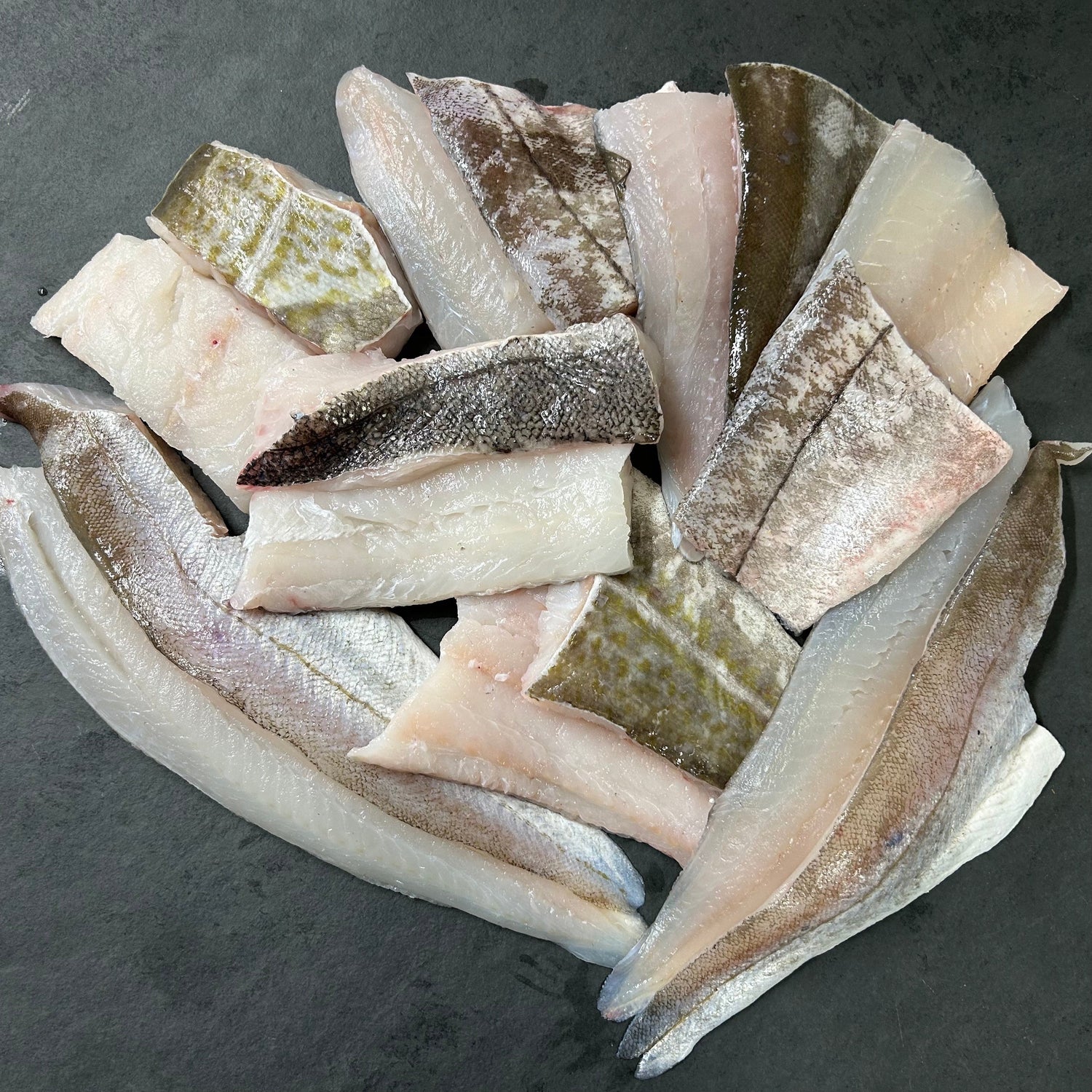
Fresh Fish & Seafood
Explore our full range of fresh fish and seafood with a complete...
-
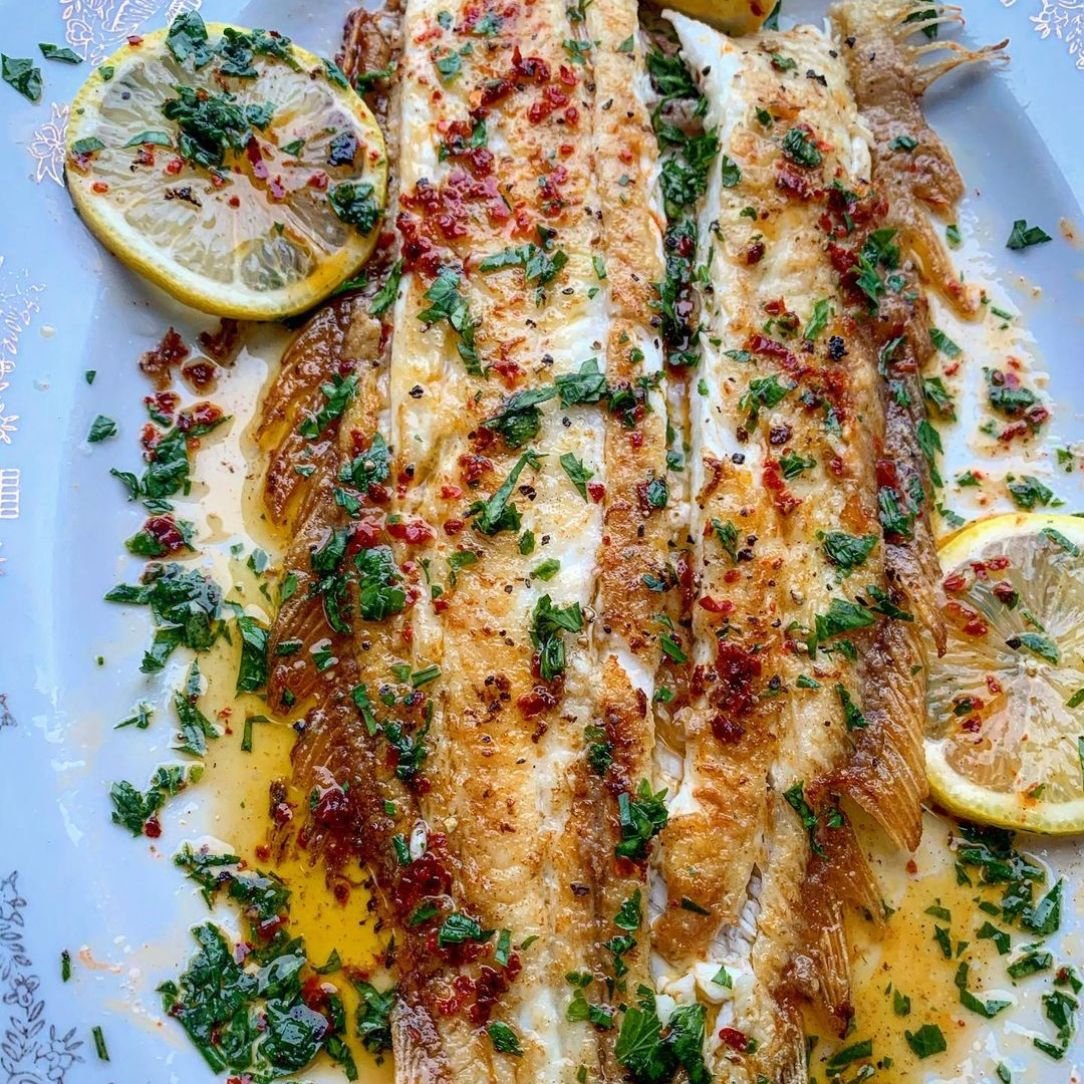
British Fish & Seafood
Discover the best of Britain’s coastline with our carefully curated range of...
-

Brixham Fish & Seafood
Bring the Brixham market to your kitchen with our collection of fresh...
-

Fish Boxes
Our Fish Boxes collection brings together a handpicked range of fresh seafood...
-

Prime Fish
Our Prime Fish collection brings together a selection of premium species chosen...


